Jinan Enying Machinery Manufacturing Co.,Ltd

Roti Making Machine

Enying: Your Professional Roti Making Machine Manufacturer!
 

Professional Team
Jinan Enying Machinery Manufacturing Co.,Ltd is an enterprise specializing in the research, development, production and sales of new abrasive products. We are the leader in China's food machinery, especially the stone grinding industry. The company has gathered a group of outstanding talents in scientific research, production and sales, creating a professional team with strong R&D capabilities.


Rich Manufacturing Experience
We have more than 40 years of experience in the production of stone grinding equipment, focusing on the design, innovation and manufacturing of food processing machinery, with a 5,000 square meter modern standardized production workshop. Fully automatic high-precision molding machines and semi-automatic standardized production lines enable annual output to reach 50 million pieces.


Strict Quality Management
Our company's abrasive products are made of high-quality raw materials. We have a strict and standardized quality control system, and each product undergoes quality testing before leaving the factory. We use sophisticated testing equipment to ensure the high quality of our products. The product quality meets EU export standards and is exported to more than 50 countries and regions in Europe, the United States, Southeast Asia, and South America.


24 Hours Service
We have a dedicated service team that can quickly respond to your inquiries at any time. And service personnel will provide you with timely feedback from consultation, order follow-up to after-sales, so that you can know the latest status of production and delivery, and enable your sales plan to be implemented on time.


First 123 Last 1/3


What Is Roti Making Machine?


Roti Maker is an electronic Roti roti-making machine that enables you to make fluffy & round rotis in equal size and shape. All you have to do is put the dough ball on the machine, close the upper lid, wait for the machine to apply heat and pressure on the dough ball and round and delicious roti is ready.


Dough Ball Making Machine


Types of Roti Makers

Manually Operated Roti Makers
The process of making a roti using these involves kneading the dough to make extra soft dough balls. These are pressed into thin discs between the heated lid and pan of the appliance where it puffs on reaching the optimum temperature within minutes.

Semi-Automatic or Fully Automatic Roti Makers
Semi-automatic or fully automatic variants of roti makers are popular as well. Some of them require human supervision and involvement which varies from minimal to average. However, these semi-automatic or automatic roti makers are huge in size and capacity. They are designed to operate in places where rotis need to be manufactured in large quantities as they dole out 600-900 rotis per hour, and are ideal for restaurants.

Automated/Smart Roti Makers
The device is enabled with Artificial Intelligence and LOT. It is designed to upgrade and autocorrect its functions as per requirements. The process of making a perfectly baked roti using this automatic roti maker is simple. All you have to do is pour the ingredients and press a few buttons. Roti maker will dish out fresh rotis for you in less than 90 seconds.


Features of a Roti Maker


A Curved Base: A curved-based roti maker is straightforward to work with as the dough is to be placed on the surface. This base ensures that the roti turns out to be round and puffed up.

Modifiable Temperature: You can modify the temperature at your own accord. Regulation of temperature ensures the safety and helps you to know the exact time for the roti to be taken out of the machine.

Non-Stick Coating: The non-stick coating ensures that the dough doesn’t stick to the base and comes out of the machine effortlessly.

Power Display: The power display option allows the indication of when the roti maker has been switched on and off. This feature helps us understand when we can put the machine to use.


Advantages of Using Roti Making Machine
 

Time-Saving: Making chapatis by hand can be time-consuming, particularly if you need to make large quantities. Using a roti making machine can save you a lot of time and effort, allowing you to make more chapatis in less time.

Consistency: One of the challenges of making rotis by hand is achieving a consistent thickness and size. With a roti making machine, you can ensure that each chapati is of the same size and thickness, resulting in a more uniform and professional-looking product.

Hygiene: Making chapatis by hand can be a messy process, and there is a risk of contamination from dust, dirt, or other impurities. A roti making machine eliminates this risk, ensuring that the dough and the finished product remain clean and hygienic.

Cost-Effective: While a chapati-making machine can be an expensive investment, it can save you money in the long run by reducing labor costs and minimizing wastage.


Commercial Roti Making Machine Structure

Flour Bucket
Flour bucket is mainly used for holding the dough. Therefore, it can equip with a dough mixer before the machine makes the dough.

Noodle Cutting Device
The cutting device will cut the whole dough placed in the flour bucket into small pieces.

Chapatti Forming Device
The cut dough falls onto the conveyor belt and then the conveyor belt transfers it to the forming device. Then the fully automatic chapatti maker machine’s forming device will press it into a round or square shape. By customizing the pressure plate’s size and pattern shape, it can produce different shapes and size’s chapatti.

Baking Pan
The shaped roti chapati is transported to the baking pan along the conveyor belt. The automatic roti maker machine, it distributes evenly the baking pans on the top and bottom of the machine. Therefore, the automatic roti chapati making machine can bake chapatti in all directions.

Small Dough Rounder Machine


Design of Roti Making Machine


Base of the Roti Maker
The base or bed is the lower part of the roti maker and one of the most significant components of the roti maker as it provides support to lower plates and vertical column. Here the lower pressing plates are placed on the circular base of the pressing machine.

Hollow Pipe with L Jionts and Plates
Design of the upper pressing plates with the supporting joints held with the L joints. It is mounted on the vertical column and it is made up of steel. The hollow shaft which carries the upper plates will moves up and down on the vertical support.

Hollow Pipe with Handle
Design of the hollow pipe with handle and spring holding holes was designed in the Catia. The force is applied on the handle for moment of upper plates for pressing the roti as well as movement of the upper plates to its original position the handles will help.

Springs
Tension springs are wound helical coils that are wrapped tightly together to create tension. Also called extension springs, tension springs provide extended force when the spring is pulled apart from its original length.


How to Use an Automatic Roti Maker?


Step 1: Begin by placing dry flour into a container and adding the necessary water and oil to their respective jars. Activate the machine to initiate the process.

Step 2: Determine the desired quantity of rotis and select the preferred texture – soft, medium, or hard.

Step 3: Transfer the dough ball to the heating plate, shaping it into a circular roti. Cooking takes about one minute for one roti, ensuring even cooking on both sides due to the top and bottom heating plates.

Cleaning Tip: After the machine has cooled down, use the provided silicone brush to clean corners and other areas. Wipe the heating plates with a damp cloth, and manually remove and clean the flour, water, oil containers, and kneading cup with soapy water. Keep your Roti-Maker in top-notch condition for delicious results every time.


Tips On Buying Most Beneficial Roti Maker
 

Reputable Roti Maker Brand
For good client support and service, popular roti maker brand should be chosen. As there are lots of reputable brands in the market, you can easily choose one of them.

Size of Tawa/Griddle
Tawa should be made of forged aluminum, which is basically known for balanced heat distribution. It should be non-stick in order to avoid usage of oil. Various sizes are available in tawa; however, sizes 8”-10” should be chosen for the best rotis.

On/Off Indication Light
Although many brands don’t provide this facility, you should always check this function first. To avoid accidents, on/off indication light is needed.

Shockproof Body with Non-Heating Handle
This is an essential function you should check. The shockproof body helps safeguard a person against electrical leakage. The non-heating handle doesn’t heat during working due to its cool feature.

Power Utilization
Your cooking surface must be capable of reaching 425-degrees Fahrenheit for the best result. Power usage is based on factors like tawa size, and material used for casting it. More or less, for a 10-inch tawa, you require 750 watts and almost 250 watts for the cover.


How to Maintain Your Roti Maker Machine?
Dough Ball Making Machine
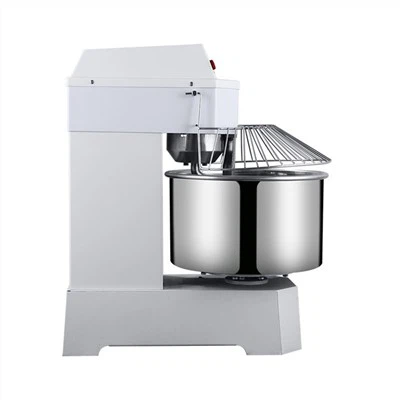
Dough Mixer Machine Commercial
Dough Ball Making Machine

Get to Know Your Machine
Understanding the basic components and how they work together will make maintenance tasks less intimidating. If you have the manual, give it a read to get insights into the machine’s operation and maintenance requirements.

Establish a Cleaning Routine
Start by unplugging the machine and then wipe down the surfaces with a damp cloth. Pay attention to areas where dough tends to stick, like rollers and conveyors. Regular cleaning helps prevent the buildup of residue, ensuring your flatbreads stay tasty and hygienic.

Use Gentle Cleaning Products
When it comes to cleaning agents, go for mild options. You don’t need anything fancy; a mixture of water and a mild detergent should do the trick. Harsh chemicals can damage the machinery or leave unwanted residues. A soft brush can be handy for getting into those hard-to-reach spots.

Check for Loose Parts
Periodically inspect your chapati maker for any loose bolts or screws. Give them a gentle turn with a wrench to ensure they’re snug. Loose parts can lead to misalignment or, in the worst case, cause the machine to stop working. It’s a small step that can prevent bigger problems down the line.

Keep Moving Parts Moving
Moving parts need a bit of attention. Find the points where your machine needs lubrication - the manual should guide you here. Apply a small amount of lubricant to keep things running smoothly. Remember, a little goes a long way, so don’t overdo it.

Inspect Belts and Chains
Belts and chains are like the unsung heroes of your chapati making machinery. Regularly check them for signs of wear and tear. If you notice any issues, it might be time for a replacement. Remember, a well-functioning belt or chain ensures your flatbreads are rolled and cut to perfection.

Mind the Electrical Components
If your chapati maker runs on electricity, keep an eye on the electrical components. Look for any frayed wires, loose connections, or signs of overheating. If you’re unsure about anything, it’s best to call in a professional. Safety first!

Don’t Skip Professional Checkups
Just like you go to the doctor for a checkup, your chapati maker can benefit from a professional inspection. Schedule periodic visits from a technician to give your machinery a thorough once-over. They can catch potential issues before they become major headaches.


Our Certificate


Strict quality management and testing systems ensure that products comply with industry standards and export standards of European and American countries, providing high-quality products to global customers.


productcate-1-1


Our Factory


The production workshop covers an area of 5,000 square meters and has multiple high-precision intelligent production lines with an annual output of 50 million pieces, which can efficiently complete your orders.

productcate-500-500
productcate-500-500
productcate-500-500
productcate-500-500


Common Problems of Roti Making Machine


Q: What are the uses of roti maker?

A: Sure, here are some things you can make with a roti maker.
Roti (traditional flatbread)
Chapati (similar to roti but thinner and slightly crispy)
Paratha (layered and flaky flatbread)

Q: Is roti maker really useful?

A: Yes and No. If you are perfect in making rotis you have no need of this electric roti makers. But if you are a beginner and don't have any experience then you can buy and use roti makers. The time consumed by the roti makers in making rotis is almost same as in manual cooking.

Q: What is the difference between a chapati maker and a roti maker?

A: Temperature range: Roti maker has a lower temperature range, usually up to 200-250 degrees Celsius, while chapati maker can reach higher temperatures of up to 300 degrees Celsius. Thickness: Roti maker can make thinner flatbreads, while chapati maker can make thicker flatbreads.

Q: Is roti maker good or bad?

A: I found most rotis to be chewy, and they were never puffed well and were unevenly cooked. The people who are more into thin rotis might find it a bad option as it doesn't give you nicely flattened thin rotis. The size of the roti is also relatively small compared to our average roti size; it's more like a puri maker.

Q: Can roti maker cook chapati?

A: The state of the art automatic Roti Maker is made with a high-quality stainless steel body that assists in maintaining the performance of the product and its ability to cook fine rotis and tortillas for years.

Q: How is roti made in roti maker?

A: Traditionally, roti is cooked on a tawa, but electronic roti makers are becoming increasingly popular. They allow you to make batches of tasty roti in just a fraction of the time. Start off with over-wet dough, and press each ball of dough into the maker for about 60 seconds. You'll be enjoying fresh roti in no time!

Q: Can we use oil in roti maker?

A: No. Oil can be used while making the dough. But can not directly be used in a machine.

Q: How do you clean a roti maker?

A: Use a tissue to wipe the slots clean when you're done cleaning the sweeper and roller. To take out the sweeper and roller for cleaning.

Q: Is making roti physical or chemical?

A: Rolling of chapati is an example of physical change and baking of chapati is an example of chemical change.

Q: Why roti is hard in roti maker?

A: If you flatten the roti and cook it on the bottom for too long the moisture in the dough will escape from the top, leaving your roti dry and hard. This is a common mistake when you start using The Roti Maker. The solution to this is to flip the roti after 15- 20 seconds.

Q: Can I wash roti maker?

A: Yes, cleaning roti maker is highly easily with warm water mixed with a little amount of detergent.

Q: Why roti maker is not successful?

A: If the dough isn't made perfectly - it must be wetter than usual - the rotis made in the machine can be rubbery, dry, and thicker than the ones that are made by hand. And so the disappointing product is quickly discarded and left to gather dust in the back of a cupboard.

Q: Is roti maker worth buying?

A: Yes and No. If you are perfect in making rotis you have no need of this electric roti makers. But if you are a beginner and don't have any experience then you can buy and use roti makers. The time consumed by the roti makers in making rotis is almost same as in manual cooking.

Q: How much electricity does a roti maker use?

A: It also has a power consumption of 900 watts and a voltage of 220 volts. The best part about this roti maker is that it comes with a 1-year warranty.

Q: What is the importance of roti maker?

A: Roti makers automate the process, enabling businesses to produce a large quantity of flatbreads in a relatively short time. This increase in efficiency allows businesses to cater to higher demand without compromising on the quality of their products.

Q: Is roti maker harmful for health?

A: There have been health concerns related to nonstick coatings used on such appliances, so it is natural for people to have health concerns about roti makers. Overall, it is best to know if the roti maker you buy is made of food-grade materials so that you can be assured that there are no health concerns.

Q: What is the methodology of roti making machine?

A: Process: Using a planetary mixer, the wheat flour dough is prepared and conveyed continuously to the extruder. A fish tail die moves the dough sheet to the endless belt conveyor. The sheet travels on the conveyor and passes through a rotary cutter and gets uniformly cut in a circular shape.

Q: What are the parts of roti maker?

A: Ingredient Containers.
Dough Tray.
Dough Cup (with a removable stirrer)
Sweeper.
Cooking section.
Control screen.

Q: Why you need a roti maker?

A: If you make rotis for your family. The answer seems to be a firm yes, and the reason is also quite intuitive. Making rotis and that too multiple times a day is hard work. Indeed, one gets better with practice, but even then, it is a chore, and if there is a better way to make rotis, it would be welcome. You may enjoy making rotis for your family; even in that case, there would be days when you'd be too tired or preoccupied to make rotis, and on those days, a roti maker would be a blessing.

Q: Is it possible for the roti to crack in between the process?

A: It is possible. However, if used properly and if followed the directions correctly, then it is less likely to crack in between the process.

As one of the leading roti making machine manufacturers and suppliers in China, we warmly welcome you to buy high-grade roti making machine for sale here from our factory. All our products are with high quality and competitive price.

goTop

(0/10)

clearall